HORUS560
HORUS560
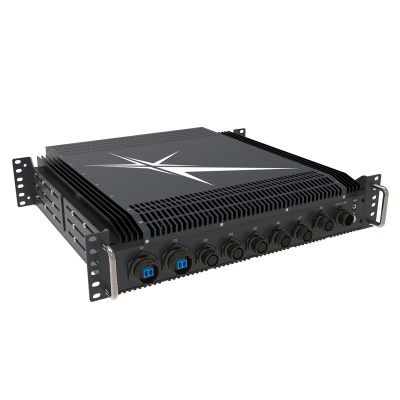
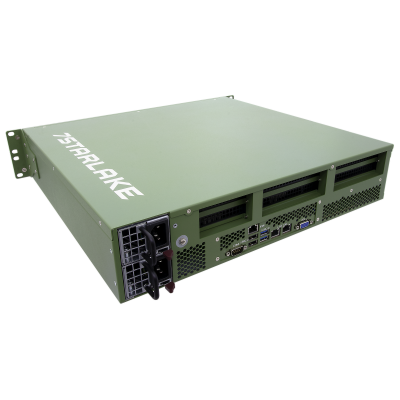
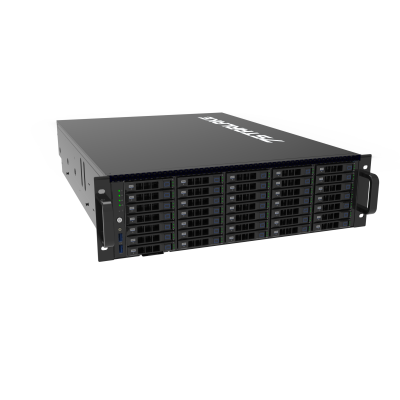
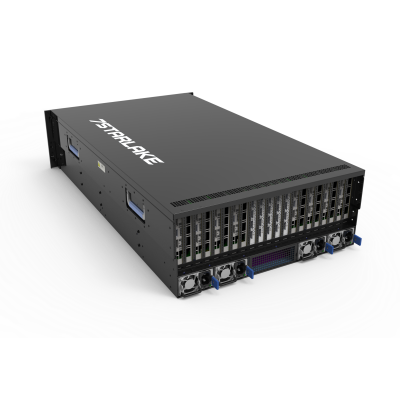
4U 19” Military High-Performance NVMe RAID Storage Server
- 4U 19” Military NVMe RAID Storage HPC
- Intel®Xeon® 6700P-Series, 6500P-Series,6700E-Series Processors
- 8+8 DIMM Slots ; Supports DDR5 RDIMM
- 8 x Swappable 2.5” NVMe U.2 Bay (15mm)
- Optional for RAID Support (0/1/5/6/10/50/60)
- Expansion Slot 6xHHFL,or 2xFHFL+1x HHFL
- 1 x IPMI, 2 x 10GbE, 1 x VGA, 4 x USB Ports
- AC-IN 100V~240V 1200W ATX PSU
- MIL-STD-810 Shock, Vibration, Humidity (Designed to Meet)
- CE /Safety (Designed to Meet)

- Technical Profile
- Specifications
- Order Information
- Video
- Introduction
-
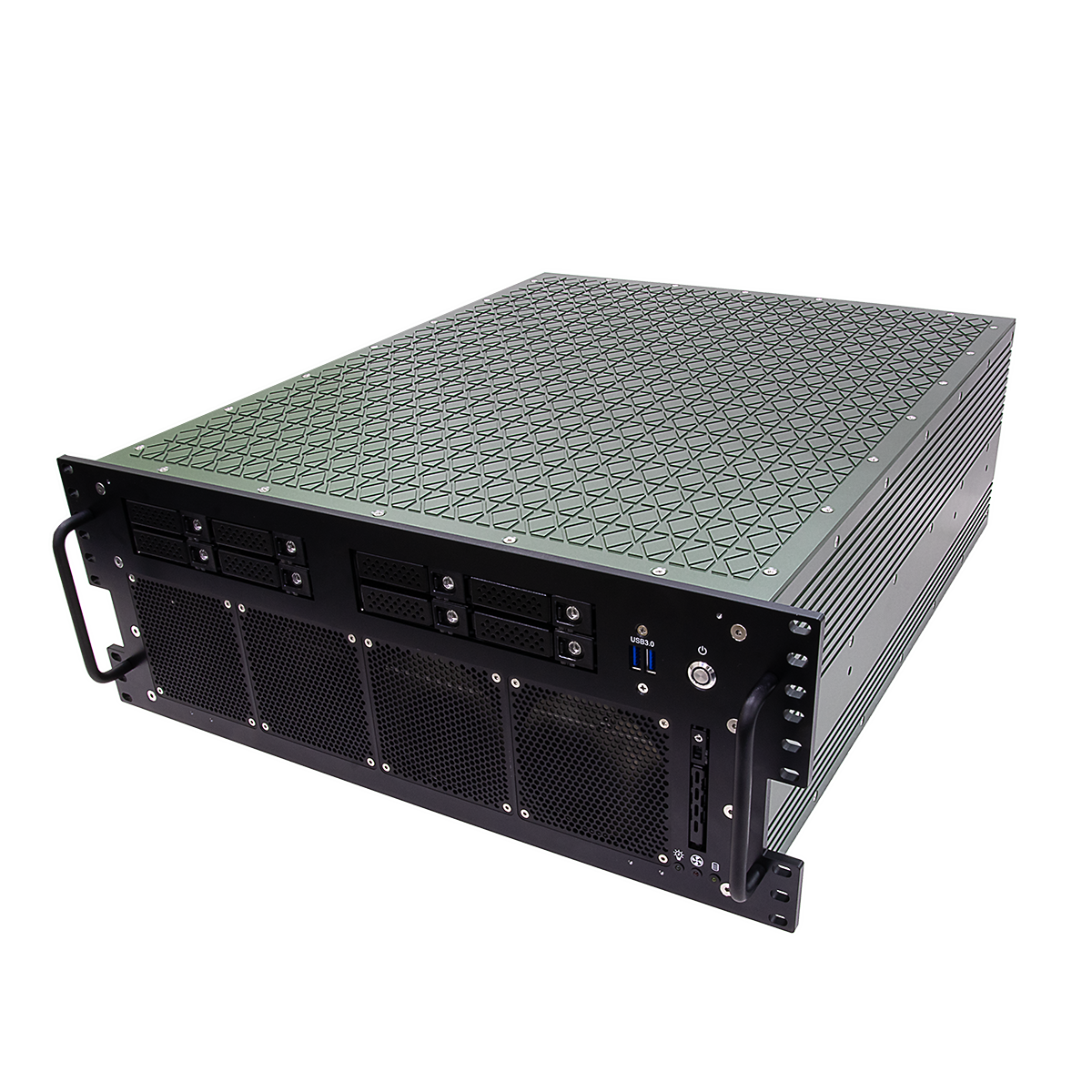
The HORUS560, a 4U 19” Military NVMe RAID Storage HPC is a high-performance computing platform designed for mission-critical data processing, edge computing, and high-throughput storage applications. Powered by Intel® Xeon® 6700P, 6500P, and 6700E series processors, the HORUS560 delivers exceptional compute density and parallel processing capability for demanding workloads.
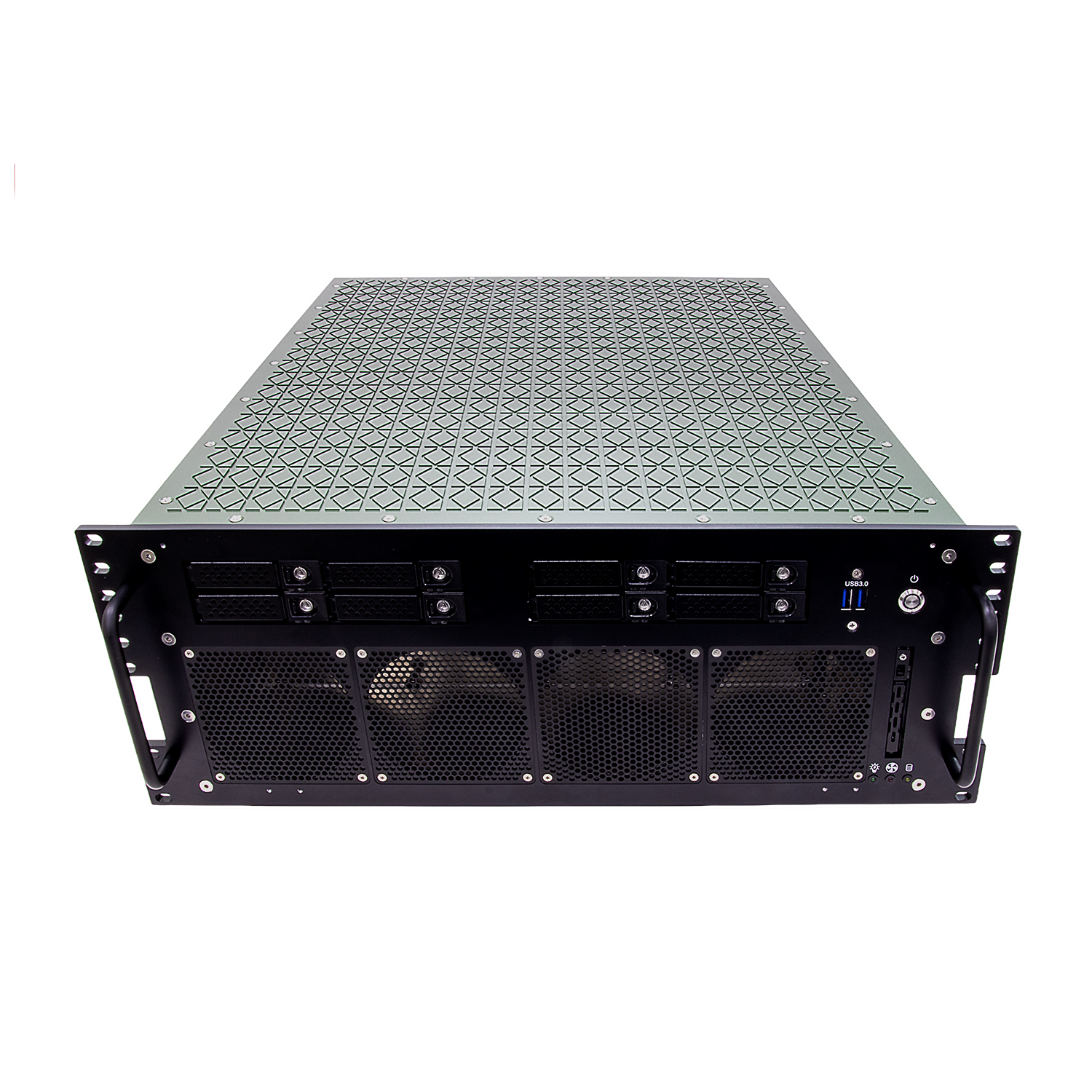
The HORUS560 is equipped with 16 DDR5 RDIMM memory slots (8+8 configuration), supporting up to 6400MT/s, delivering high memory bandwidth for data-intensive workloads and efficient multitasking performance. The storage architecture features eight front-accessible, hot-swappable 2.5” U.2 NVMe drive bays, enabling high-speed SSD performance with optional RAID 0/1/5/6/10/50/60 configurations via a Broadcom MegaRAID controller. In addition, one 2.5” SATAIII hot-swappable drive bay is provided for operating system deployment or auxiliary storage, enhancing overall system flexibility.
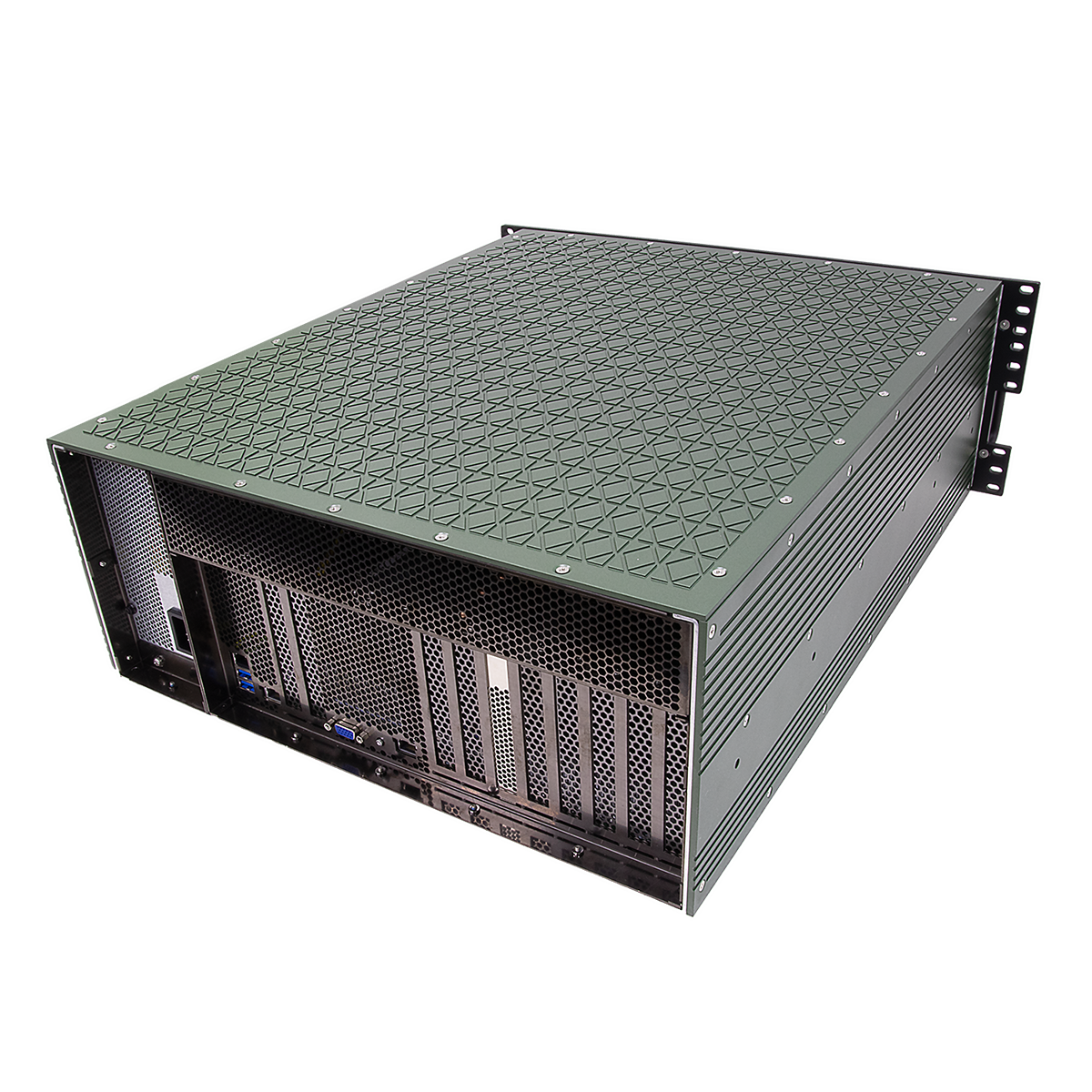
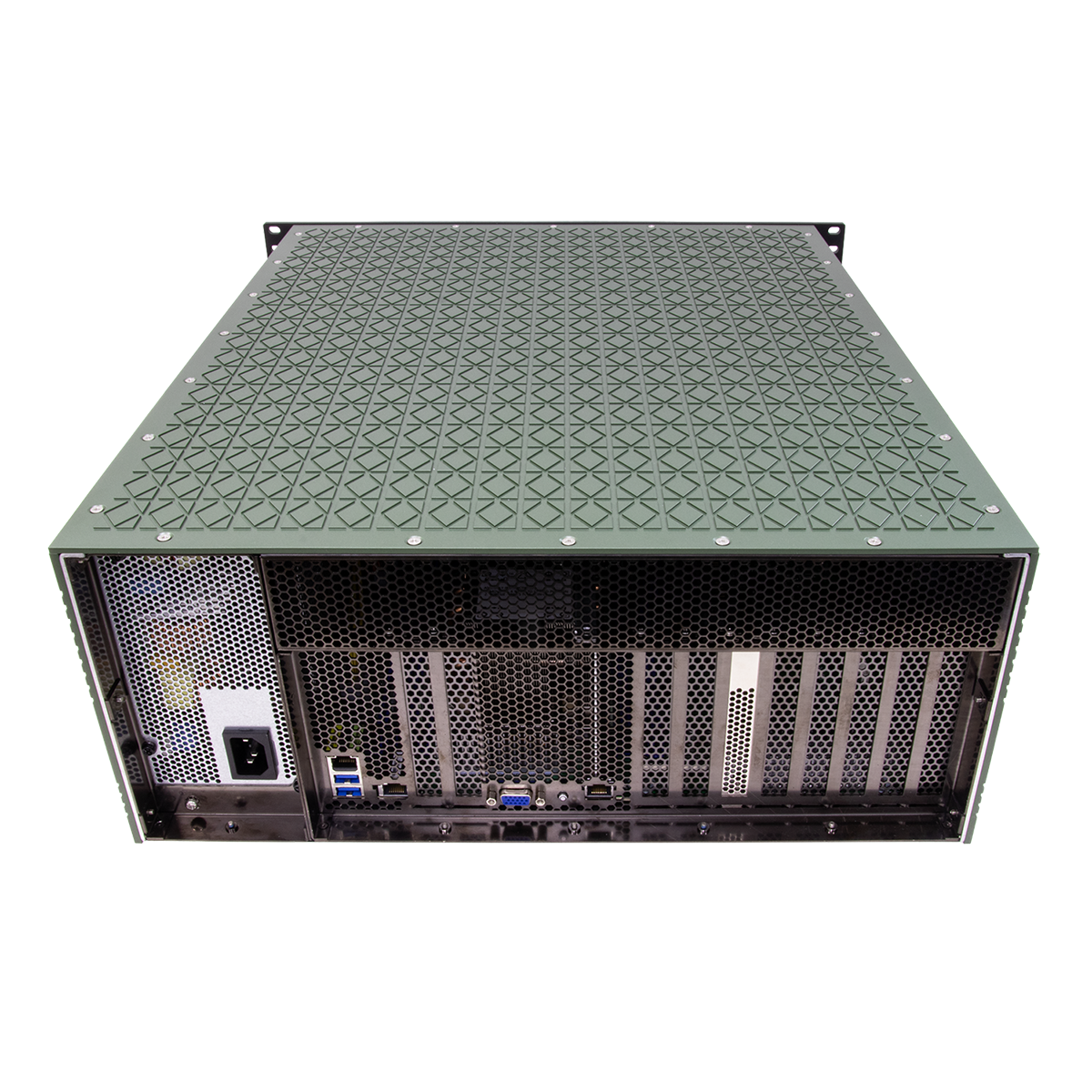
For high-speed connectivity and system integration, the HORUS560 includes dual Intel® X710-AT2 10GbE ports, delivering high-bandwidth network performance for data aggregation and system-level communication. A dedicated IPMI management interface, supported by the ASPEED AST2600 BMC and a Realtek RTL8211F dedicated management LAN, provides secure and reliable out-of-band system control and remote maintenance capability.
Designed for deployment in demanding and mission-critical environments, the HORUS560 is built to meet MIL-STD-810 requirements for shock, vibration, temperature, and humidity. This ensures stable operation and long-term system reliability under harsh environmental conditions.
- Appearance
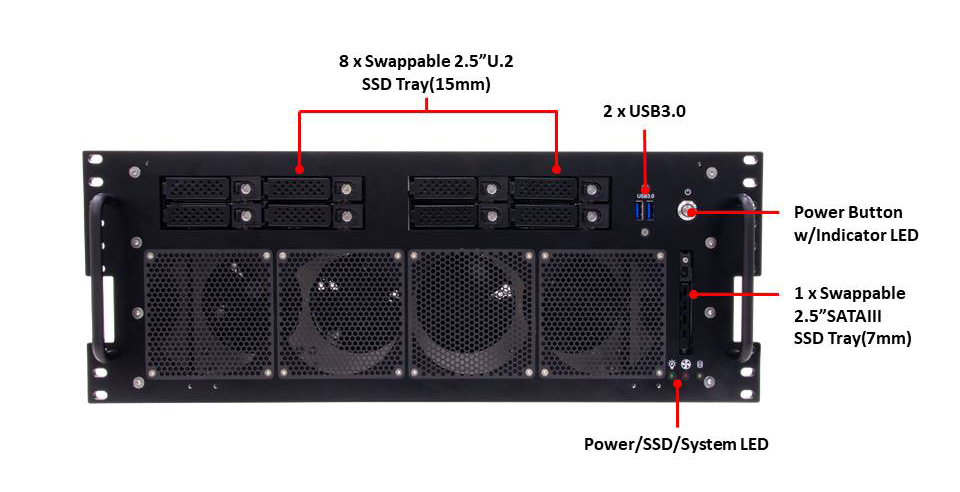
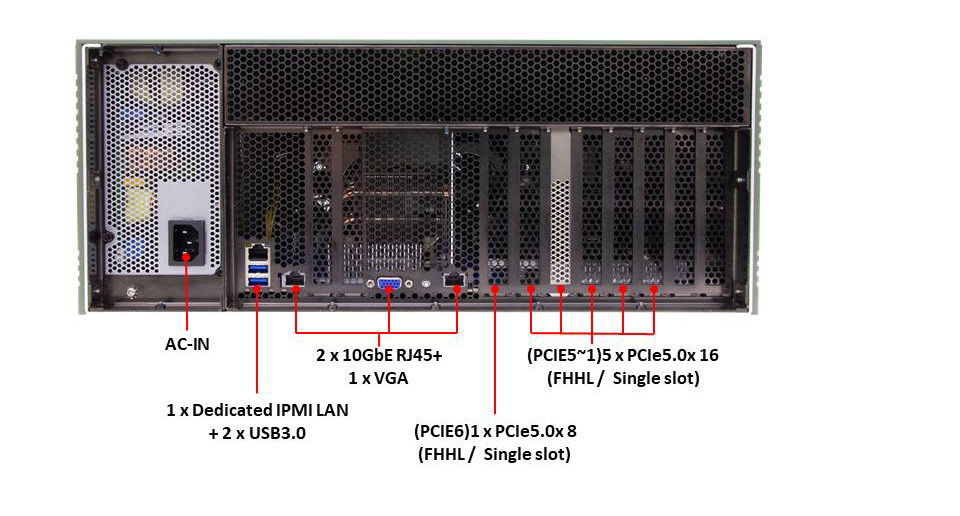
|
System |
|
|---|---|
|
High Performance Processor |
Supports Intel® Xeon® 6700P-Series, 6500P-series, and 6700E-Series Processors |
|
Chipset |
System on Chip |
|
Memory Type |
8+8 DIMM Slots, DDR5 RDIMM 6400MT/s |
|
BIOS |
AMI UEFI BIOS 512Mb SPI Flash ROM |
|
TPM |
1 x TPM 2.0(w/module) |
|
Display |
|
|
VGA |
Resolution up to 1920 x 1200 @60Hz |
| Expansion | |
| M.2 | 2 x M.2 2280/ 22110 M-key (PCIe5.0 x2) |
| Expansion Slot | 6 x HHHL (Single Slot) or 2 x FHFL+1x HHFL (Dual Slot) |
|
Storage |
|
|
NVMe U.2 |
8 x 2.5” NVMe U.2 Swappable Optional: RAID 0 /1 /5 /6 /10 /50 /60) |
|
SATAIII |
1 x 2.5” SATAIII Swappable |
|
RAID (Optional) |
|
| RAID Card | Broadcom MegaRAID 9560-16i PCIe Gen 4.0 Tri-Mode Card |
|
Ethernet |
|
|
Ethernet |
2 x Intel®X710-AT2 LAN |
|
Server Management |
|
| BMC Controller | ASPEED AST2600 |
| IPMI Dedicated GLAN | 1 x Realtek RTL8211F for Dedicated Management GLAN |
|
Front I/O |
|
|
NVMe U.2 Tray |
8 x NVMe U.2 Swappable Tray (2.5” 15mm) |
| SATAIII Tray |
1 x SATAIII Swappable Tray (2.5” 7mm) |
|
USB |
2 x USB3.0 |
|
Indicator LED |
Power/ SSD/ System LED |
|
Button |
1 x Power Buttom with Dedicated LED |
| FAN |
4 x FAN Cooler |
|
Rear I/O |
|
|
Ethernet |
2 x 10GbE |
|
IPMI |
1 x IPMI w/GLAN |
|
VGA |
1 x VGA |
|
USB |
2 x USB3.0 |
|
Expansion |
6 x HHHL (Single slot) Or 2xFHFL+1x HHFL (Dual Slot) |
|
Power Requirement |
|
|
Power Input |
100V~240V AC-IN 1200W ATX PSU (Optional) 100V~240V AC-IN 2400W CRPS Redundant ATX PSU |
|
Operating System |
|
| Operating System | Microsoft® Windows - Server 2022/2025 (64 bit) Linux - Red Hat Enterprise Linux Server 9.4 (64 bit) - SUSE Enterprise Linux Server 15 SP6 (64 bit) - Ubuntu 24.04 (64 bit) |
|
Physical & Environment |
|
|
Dimension (W x D x H) |
430 x 540 x 177mm |
|
Chassis |
Aluminum |
|
Thermal |
Air Cooled |
|
Operating Temperature |
0 to 40°C |
|
Storage Temperature |
-40 to 70°C |
|
Relative Humidity |
10% to 95%, Non-Condensing |
|
MIL-STD-810 Design to Meet |
Method 507.5, Procedure II (Temperature & Humidity) Method 516.6 Shock-Procedure V Non-Operating (Mechanical Shock) Method 516.6 Shock-Procedure I Operating (Mechanical Shock) Method 514.6 Vibration Category 24/ Non-Operating (Category 20 & 24, Vibration) Method 514.6 Vibration Category 20/ Operating (Category 20 & 24, Vibration) |
| CE/ FCC Design to Meet |
EN55032 & 35 IEC 61000-3-2 / IEC 61000-3-3 IEC 61000-4-2 / IEC 61000-4-3 / IEC 61000-4-4 / IEC 61000-4-5 IEC 61000-4-6 / IEC 61000-4-8 / IEC 61000-4-11 FCC 47 CFR Part 15 Subpart B |
|
Safety Design to Meet |
IEC 62368-1: 2018 |
HORUS560-RE
4U 19” Military NVMe RAID Storage HPC with Intel® Xeon® 6700P/6500P/6700E processors, up to 16 x DDR5 RDIMM/MRDIMM, 8 x 2.5” U.2 NVMe (15mm), 2 x 10GbE, IPMI, 6 x HHHL expansion slots, 100~240V AC-IN 2400W CRPS Redundant PSU, Operating Temp. 0~40°C
HORUS560-RA
4U 19” Military NVMe RAID Storage HPC with Intel® Xeon® 6700P/6500P/6700E processors, up to 16 x DDR5 RDIMM/MRDIMM, 8 x 2.5” U.2 NVMe (15mm), RAID 0/1/5/6/10/50/60, 2 x 10GbE, IPMI, 6 x HHHL expansion slots, 100~240V AC-IN 1200W PSU, Operating Temp. 0~40°C