-
Introduction

Electronic Intelligence (ELINT) plays a vital role in modern defense and electronic warfare (EW), enabling the detection, analysis, and geolocation of hostile electromagnetic emissions. As threats become more dynamic and signal environments more congested, the need for real-time, edge-level processing has become critical. With advancements in hardware technologies—such as Intel® Xeon® CPUs, NVIDIA GPUs, and FPGAs—today’s ELINT systems have become faster, more accurate, and capable of real-time signal processing at the edge.
- Unveiling the Electromagnetic Spectrum - How ELINT Works
-
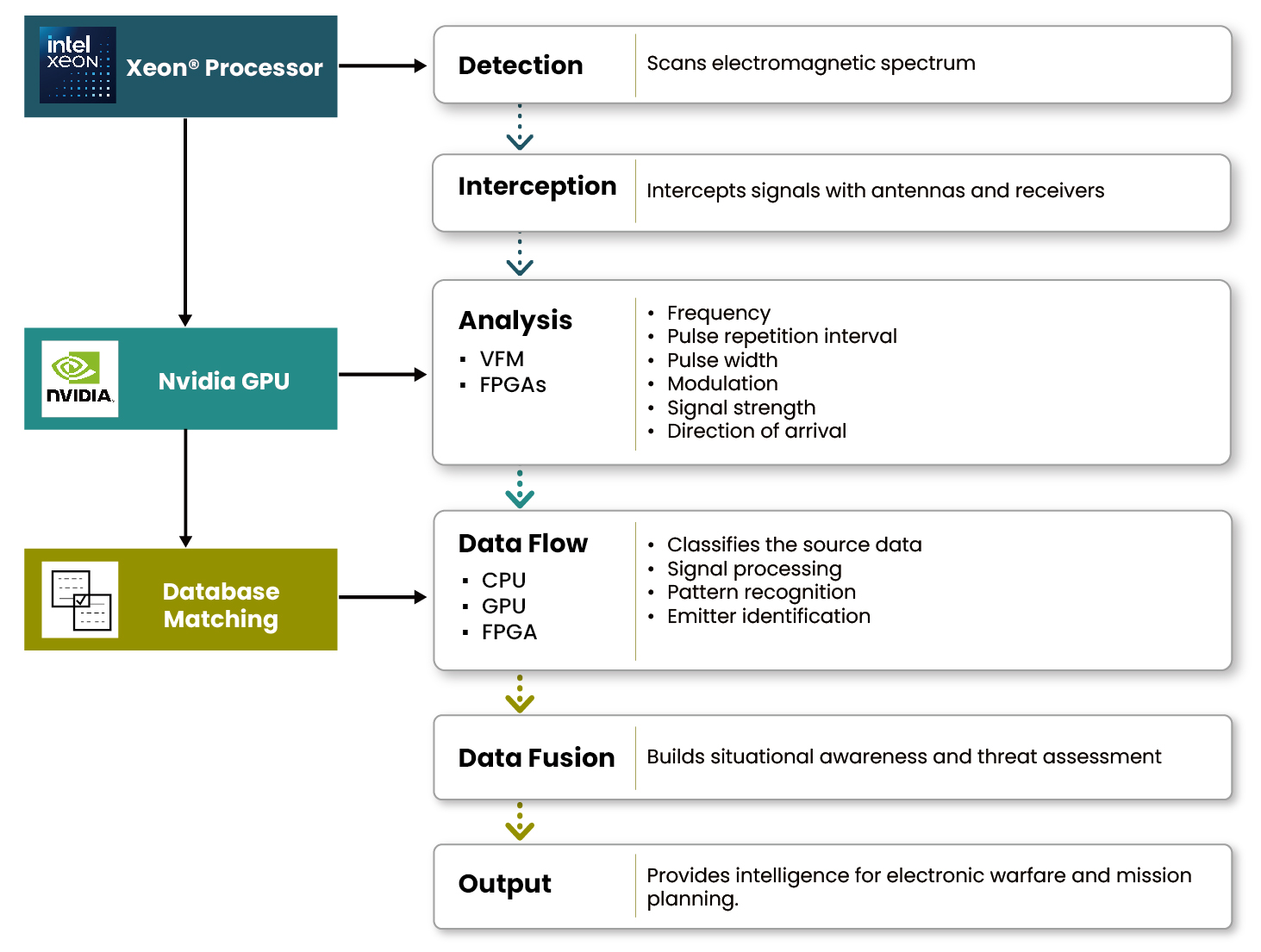
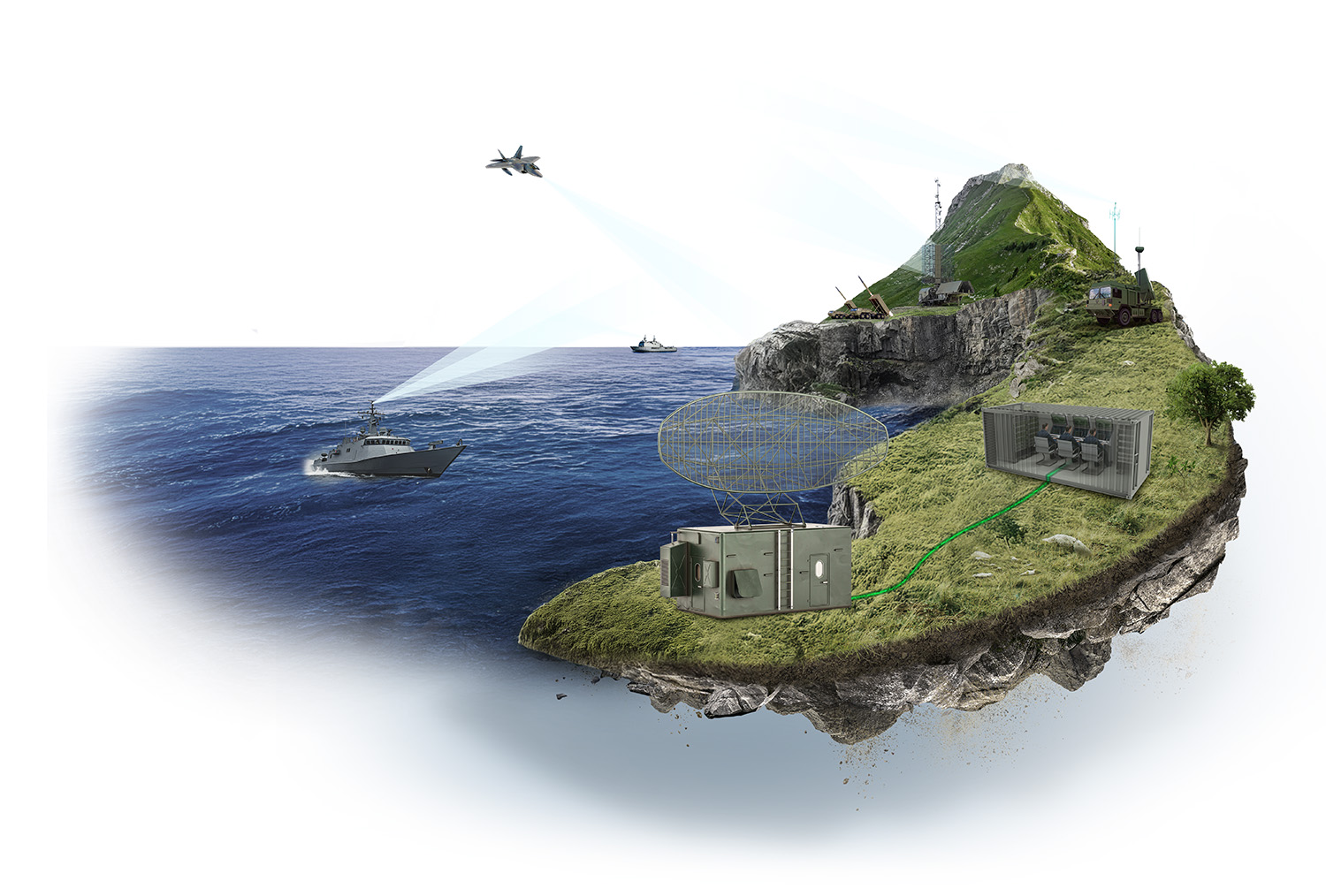
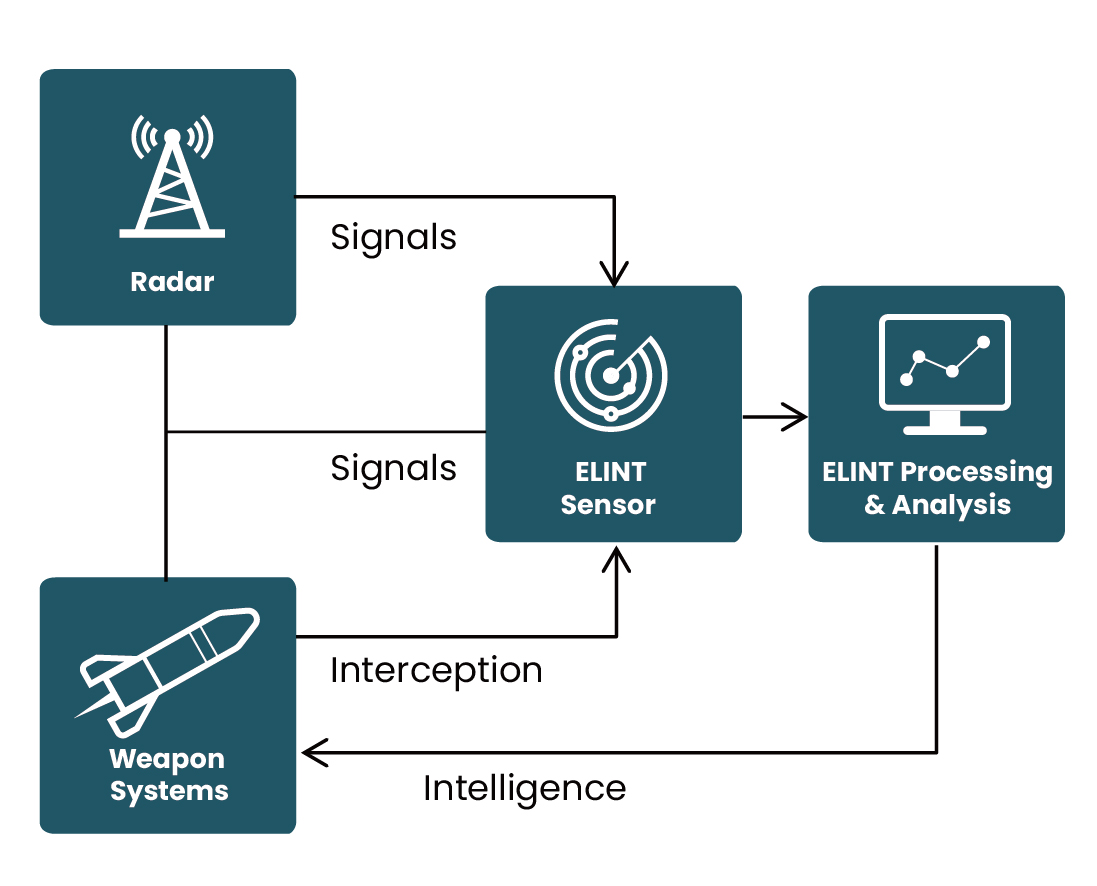
Electronic Intelligence (ELINT) systems operate by scanning the radio and microwave frequency spectrum to detect non-communication signals, such as radar emissions. Once detected, the signals are intercepted using specialized receivers placed on various platforms like aircraft, ships, or satellites. These signals are then analyzed for technical attributes such as frequency, pulse width, modulation, and direction. The system classifies the signal source (e.g., air defense or missile radar), determines its location using methods like triangulation, and compares its characteristics with a database of known emitters. The resulting intelligence is then delivered to military personnel for applications in electronic warfare, mission planning, and threat evaluation.
1. Detection
ELINT systems scan the electromagnetic spectrum, usually in the radio frequency (RF) and microwave ranges, for emissions that aren't part of normal communications (i.e., not voice, video, or data links).
2. Interception
Once a signal is detected, the ELINT system intercepts it using specialized antennas and receivers. These can be ground-based, airborne (e.g., in aircraft or drones), sea-based, or satellite-based.
3. Analysis
The intercepted signals are analyzed for:
- Frequency
- Pulse repetition interval (PRI)
- Pulse width
- Modulation
- Signal strength
- Direction of arrival
- Classification
4. Classification
Based on the analysis, the system classifies the source — for example, determining if it's a radar used for air defense, missile guidance, or target acquisition.
5. Geolocation
Using triangulation or time difference of arrival (TDOA) from multiple ELINT sensors, the location of the emitter can be pinpointed.
6. Database Matching
Signal characteristics are compared against a database of known emitters to identify and catalog the system.
7. Output
Intelligence is passed to military operators or analysts for use in electronic warfare (EW), mission planning, or threat assessment.
- Use Cases: ELINT in Action
-
ELINT plays a pivotal role in military and intelligence operations. Below are key scenarios where ELINT, powered by modern hardware, provides strategic advantages:
Detecting and Avoiding Enemy Radar Systems
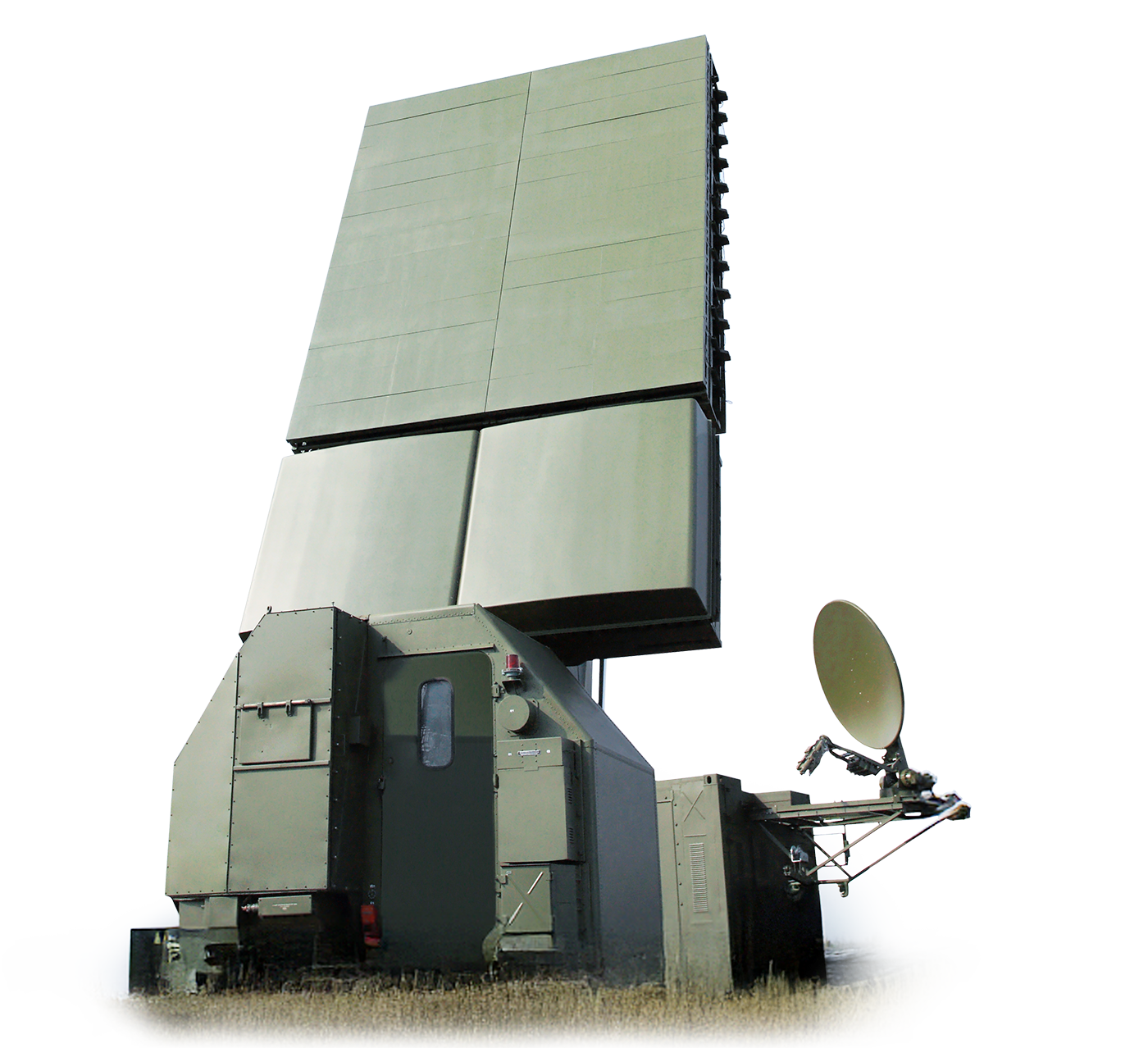
Challenge: Stealth aircraft and reconnaissance drones must evade detection by enemy radar.
Solution: ELINT systems scan for radar emissions, classify threats, and provide real-time avoidance routes.
Hardware Role:
- FPGAs perform ultra-low-latency spectrum scanning.
- NVIDIA GPUs accelerate radar signature recognition using deep learning.
- Xeon® CPUs manage mission-critical decision-making.
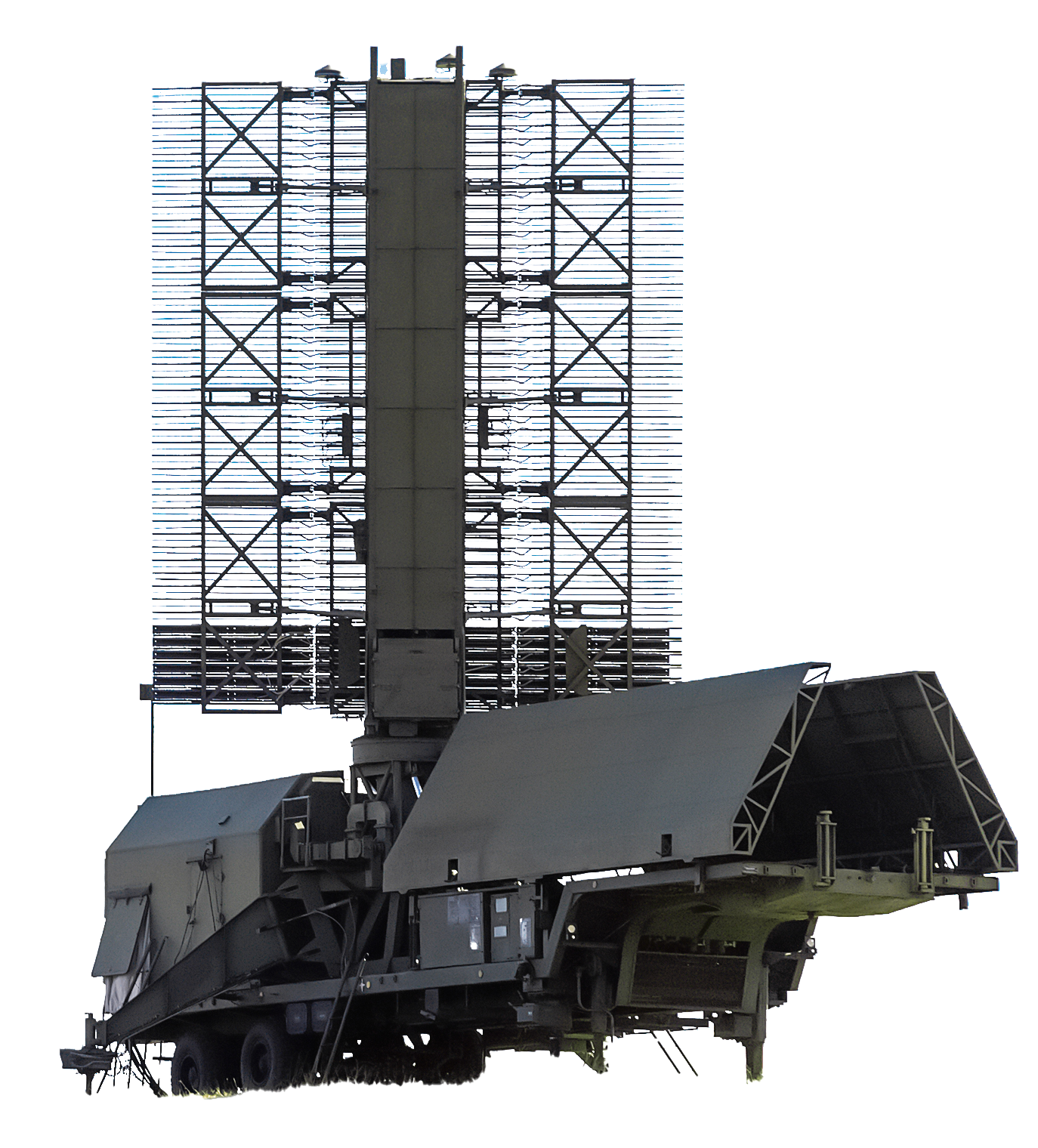
Mapping Enemy Air Defenses (SAM Sites)
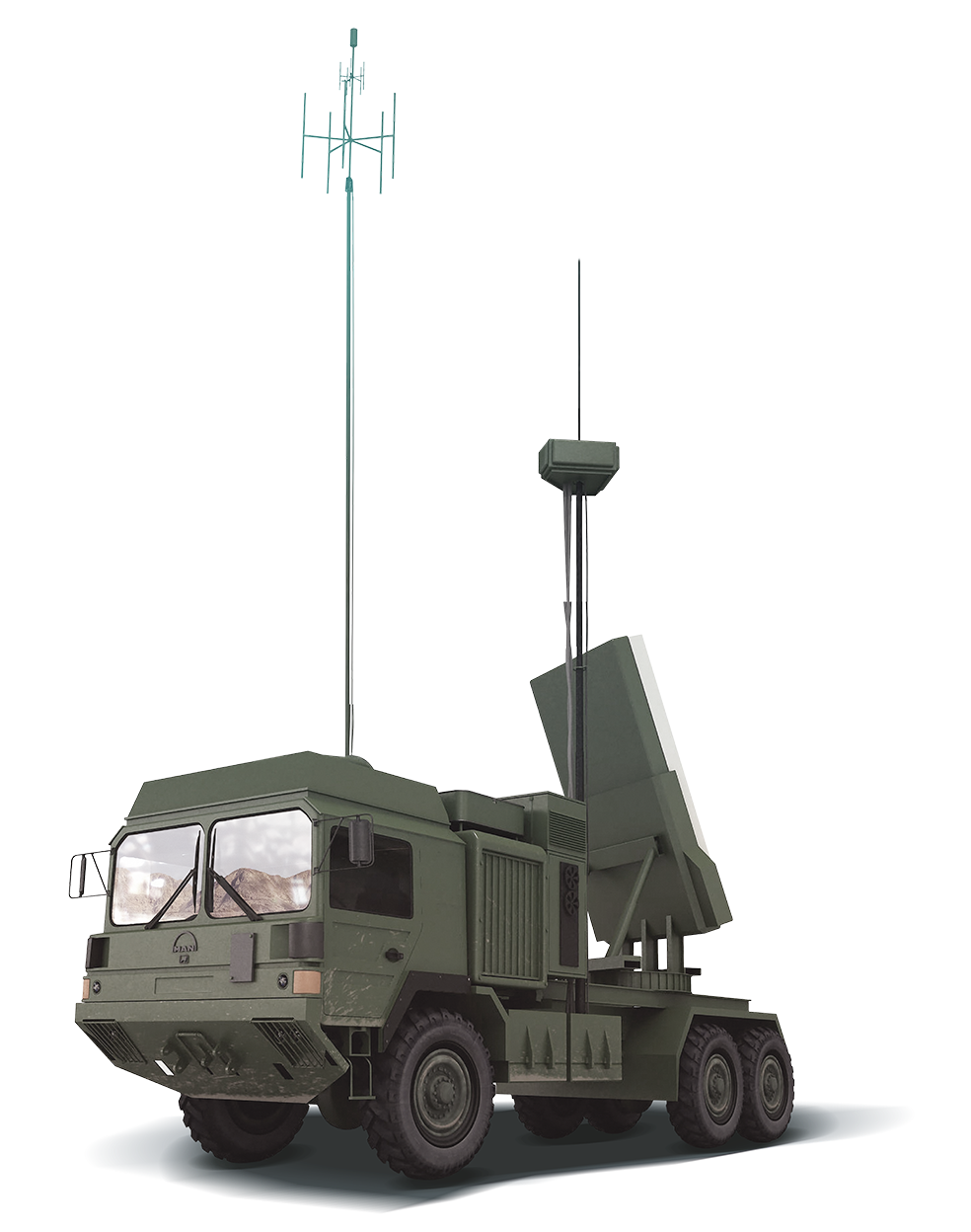
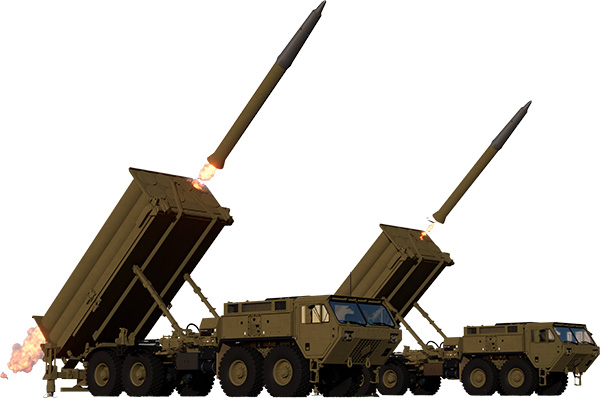
Challenge: Surface-to-Air Missile (SAM) systems pose a lethal threat to aircraft.
Solution: ELINT sensors detect and geolocate radar emissions, creating a real-time threat map.
Hardware Role:
- FPGAs preprocess raw signal data for rapid analysis.
- GPUs compute triangulation (TDOA) for precise emitter location.
- Xeon® CPUs integrate multi-sensor data for battlefield awareness.
Supporting Stealth Aircraft Operations
Challenge: Stealth platforms must remain undetected while identifying hostile radars.
Solution: ELINT systems onboard stealth aircraft classify radar threats and recommend countermeasures.
Hardware Role:
- FPGAs handle high-speed signal interception.
- GPUs run AI models for adaptive jamming strategies.
- Xeon® CPUs coordinate with onboard EW systems.
Developing Countermeasures (Jamming & Spoofing)
Challenge: Adversaries employ advanced radar systems with frequency agility.
Solution: ELINT-driven Electronic Attack (EA) systems generate deceptive signals to mislead enemy sensors.
Hardware Role:
- FPGAs generate real-time jamming waveforms.
- GPUs optimize countermeasure algorithms.
- Xeon® CPUs manage system-wide coordination.
- How ELINT Works: A Hardware-Centric Workflow
-
From initial signal detection to final intelligence delivery, each stage of the ELINT process is supported by a combination of high-performance computing components—FPGAs for real-time signal interception, CPUs for control and coordination, and GPUs for advanced analytics and AI-based classification. This section outlines a typical ELINT workflow, highlighting how each hardware element contributes to turning raw RF emissions into actionable insights for mission planning and threat response.
Step
Stage
Key Tasks
Hardware Role
1 Detection Monitor RF/microwave bands for non-communication signals. - FPGA: Real-time spectrum scanning with low latency.
2 Interception Capture signals via ground/air/sea/space platforms. - FPGA: High-speed digitization.
- Xeon® CPU: Data orchestration.
3 Signal Analysis Extract frequency, PRI, modulation, direction. - NVIDIA GPU: FFT, spectrograms, AI-based modulation recognition.
- FPGA: Preprocessing.
4 Classification Identify emitter type (e.g., radar, missile guidance). - GPU: Neural networks for pattern matching.
- CPU: Multi-sensor fusion.
5 Geolocation Triangulate emitter location using Time Difference of Arrival (TDOA). - GPU: Parallelized geolocation algorithms.
- CPU: Data correlation.
6 Output & Intel® Delivery Generate reports for EW and mission planning. - Xeon® CPU: Report formatting, database integration.
- GPU: Real-time visualization.
- The Hardware Advantage in ELINT
-
Modern ELINT systems demand high-speed processing, real-time analysis, and seamless data fusion across multiple domains. To meet these requirements, cutting-edge platforms leverage a heterogeneous hardware architecture that combines the strengths of CPUs, GPUs, and FPGAs. Each component plays a distinct role in delivering performance, flexibility, and reliability in mission-critical environments. We breaks down how Intel® Xeon® CPUs, NVIDIA GPUs, and FPGAs collectively power the next generation of ELINT operations from system orchestration to AI-driven signal classification and ultra-low-latency RF processing.

Intel® Xeon® CPUs: The Orchestrator
- Role: Manages system control, data routing, and multi-sensor fusion.
- Strengths: High core count, reliability, and seamless integration with GPUs/FPGAs.

NVIDIA GPUs: The AI & Signal Processing Powerhouse
- Role: Accelerates deep learning for signal classification, FFTs, and geolocation.
-
Strengths: Massive parallel processing for real-time analytics

FPGAs: The Real-Time Signal Interception Experts
- Role: Handles ultra-fast RF scanning, digitization, and preprocessing.
- Strengths: Low latency, reconfigurability, and high throughput.
- Combined Advantages of Intel® Xeon® D & GPU
-
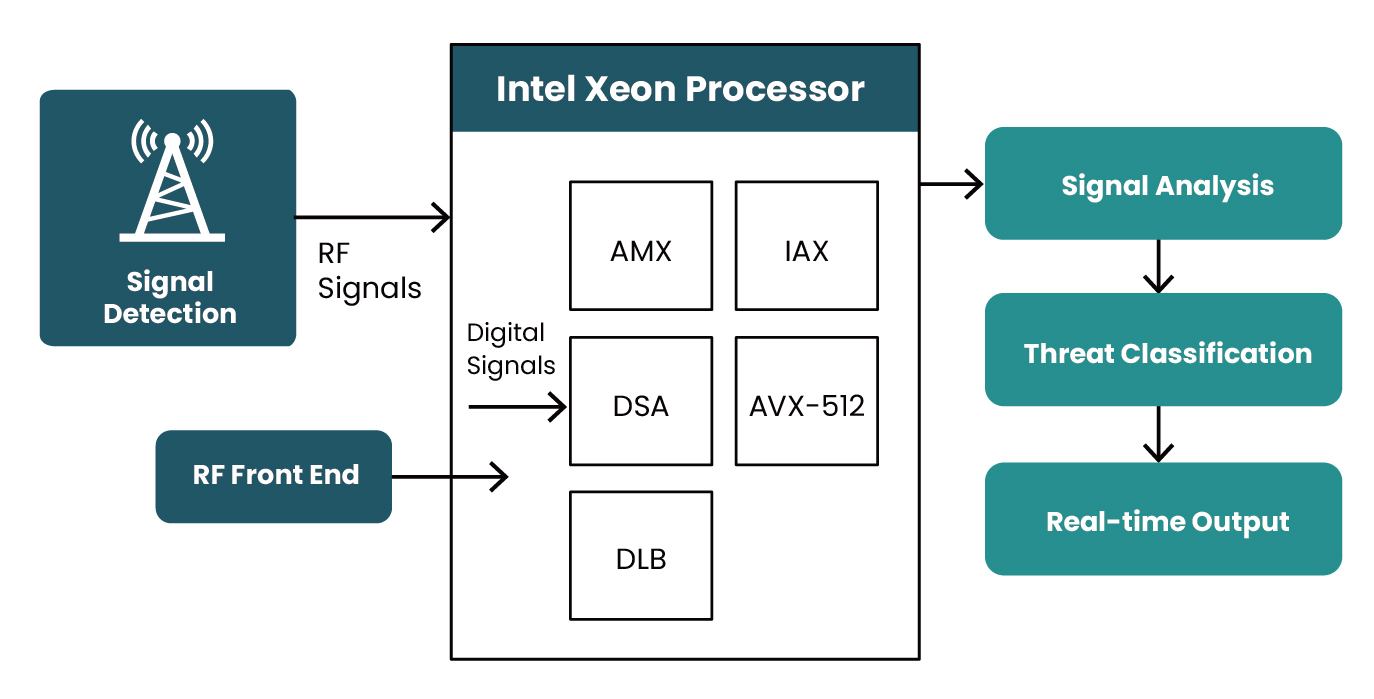
Task Xeon® D (CPU) Role NVIDIA GPU Role Signal Detection Orchestrates antennas, ADCs, preprocessing — Signal Analysis Manages flow, scheduling Performs FFT, filtering, clustering Threat Classification Logic-based comparison with database Deep learning, pattern matching Geolocation (TDOA*, AoA*) Coordinates timing and sensor fusion Accelerates correlation calculations Real-Time Output Communicates results to operator/system bus — *TDOA (Time Difference of Arrival): Determines the emitter’s location by analyzing time delays between signal arrivals at multiple spatially separated sensors.
*AoA (Angle of Arrival): Identifies signal direction using antenna arrays and estimates the source position by triangulating angles from multiple observation points.The Intel® Xeon® D provides a strong foundation for deterministic, multitask control and system orchestration, while the NVIDIA GPU delivers the raw computational power needed for high-speed signal analysis and machine learning. Together, they enable faster, more accurate and more automated ELINT operations, critical for both defense and intelligence missions.
Intel® Xeon® D: Edge-Class, Multi-Core CPU for Real-Time Tasks
Low Power, High Performance: Xeon® D is designed for edge computing and embedded systems — ideal for ELINT platforms like drones, ships, or mobile units.
Multithreading: Handles concurrent tasks like signal detection, preprocessing, and network communication.
I/O Bandwidth: Excellent for integrating high-speed ADCs (Analog-to-Digital Converters), RF front-ends, and data buses (e.g., PCIe, Ethernet).
Deterministic Response: Important for real-time control of signal scanning, routing, and prioritizing threats.
NVIDIA GPU: Parallel Signal Analysis and Machine Learning
Massive Parallelism: Ideal for processing thousands of signal pulses per second, including complex radar signal parameters (PRI, frequency hopping, pulse width, etc.).
FFT and DSP Acceleration: Speeds up Fast Fourier Transforms and filtering, essential in spectral analysis.
AI and Pattern Recognition: Useful for automatic emitter classification using machine learning models (e.g., CNNs trained to detect specific radar signatures).
CUDA Ecosystem: Mature libraries for signal processing, including cuFFT, cuBLAS, and custom signal-processing kernels.
- How Intel® Xeon® D Supports ELINT Tasks
-
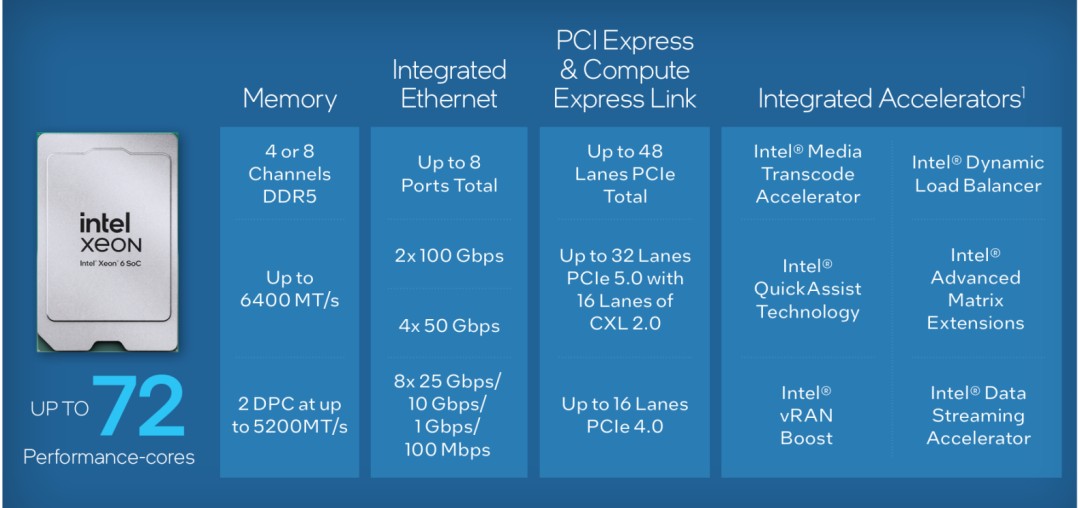
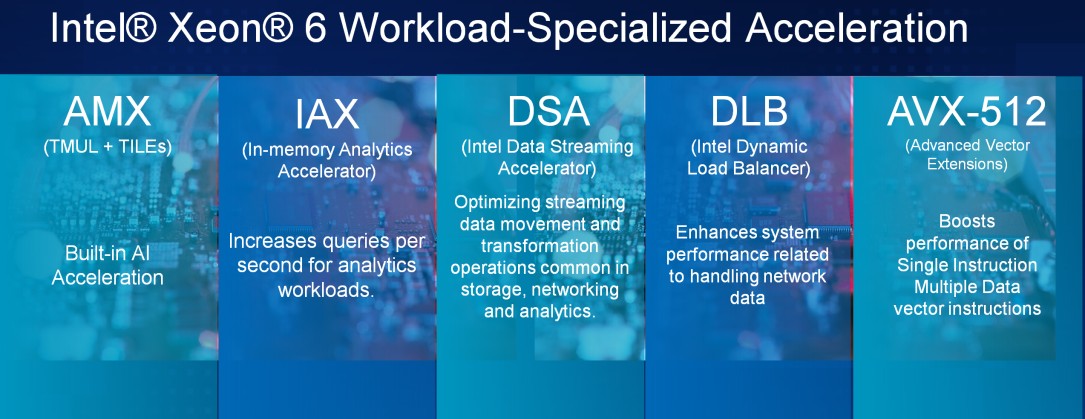
Intel® Xeon® 6 SoC Instruction Set vs. ELINT Benefit
Feature Accelerates ELINT Benefit AVX-512 Vector math, DSP FFTs, pulse analysis, AoA AMX Matrix ops, AI Emitter classification, ML IAX Custom workloads Signal correlation, preprocessing DSA Data movement Low-latency I/O for RF signals DLB Task scheduling Real-time load balancing
- 7STARLAKE ELINT Solutions
-
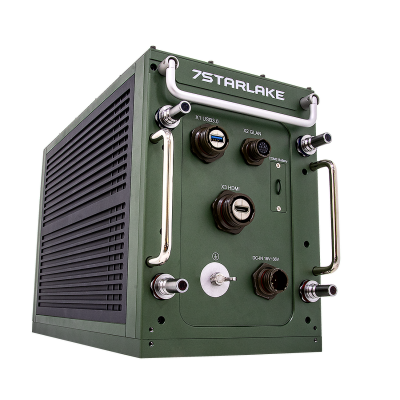
IP65 Military Xeon® 6 GPU Server AV800-H32

Powered by an Intel® Xeon® 6 SoC and NVIDIA RTX Ada 5000m GPU, the AV800-H32 is a rugged, conduction-cooled military server engineered for real-time spectrum analysis in ELINT and ESM missions. Designed for harsh, mobile environments, it delivers the computing power, edge AI acceleration, and RF signal processing needed to detect, classify, and respond to electromagnetic threats with speed and precision. Purpose-built for time-sensitive operations, it ensures rapid situational awareness and decision-making across airborne, naval, and ground platforms—supporting modern electronic warfare in today’s dynamic battlespace.
- Intel® Xeon® 6 Granite Rapids D processor 6546P-B, 32 Cores 2.3/3.5 GHz, 195W
- NVIDIA RTX Ada 5000m GPU 9728 CUDA cores
- DDR5 up to 6400MT/s, 64GB RDIMM, up to 512GB
- 4 x 2TB U.2 NVMe SSD Storage
- PCIe Fabric Management - MXH95x
- Supports Zynq™ UltraScale+™ RFSoC
- 18-36 VDC PSU
- 1 x QSFP28 100GbE, 1 x SFP28 50GbE 2 x SPF28 25GbE , 1GbE-T share with IPMI
- Operating Temperature: -20°C to 60°C I
- P65 Sealed with External Cooling Blade
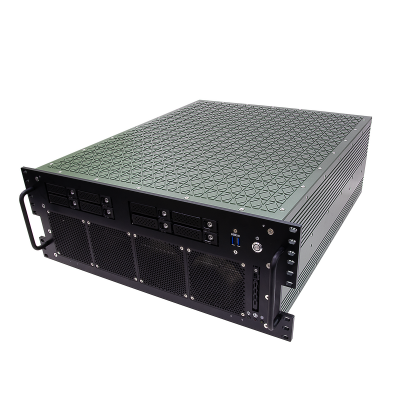
4U 19” Military GPU FPGA Server HORUS560

Purpose-built for high-intensity ELINT operations, the HORUS560 fuses real-time RF spectrum analysis, signal classification, and emitter detection in a rugged 4U 19" military-grade server. Powered by dual Intel® Xeon® 6 Granite Rapids processors and up to 2TB of DDR5 memory, it delivers ultra-low latency and high-throughput performance. Dual high-power FPGAs and four NVIDIA RTX 5000 ADA GPUs handle compute-intensive signal processing with precision and speed. With an advanced smartNIC card, the system offloads packet processing from the CPU and leverages hardware acceleration for data filtering, boosting network efficiency and security while managing large volumes of intercepted RF traffic. Eight hot-swappable NVMe U.2 bays, paired with Intel® VROC RAID, ensure sustained high-speed data capture and streaming under continuous operational loads.
- Dual Intel® Xeon® 6th Granite Rapids Scalable Processor
- Dual FPGA up to 650W
- 4 x NVIDIA RTX 5000 ADA
- SmartNIC Card
- DDR5 6400MT/s Up to 2TB
- 8 x U.2 NVMe with RAID 0/1/5/10
- PCIe Fabric Management - MXH95x
- Supports Zynq™ UltraScale+™ RFSoC
- 2 x 100GbE QSF
- MIL-STD-810 for Wide Temperatures, Shock and Vibration
- MIL-STD-461 EMI Filter
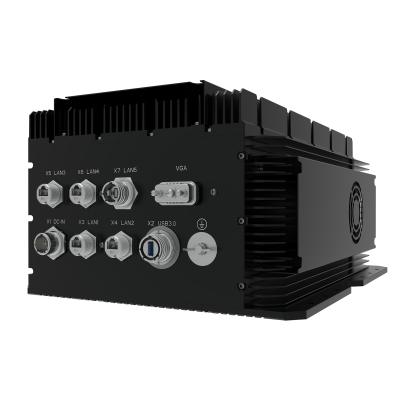
3U VPX, 1CPU 2GPU Liquid Cooled ATR 7SL-3500-LOC
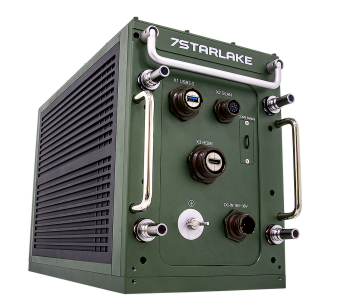
The 7SL-3500-LOC is a rugged, liquid-cooled VPX ATR system designed for high-performance ELINT applications, particularly in radar and spectrum analysis. With support for dual powerful GPUs and Intel processors, it enables real-time signal processing, waveform analysis, and wideband spectrum monitoring. Its modular VPX architecture allows integration of RF front-end and SDR components for advanced electromagnetic signal detection and classification. The system supports high-speed data transmission, enabling seamless connection to other computers or command centers for offloading and analyzing intelligence data, highly suitable for mission-critical, time-sensitive operations.
- 1CPU 2GPU Liquid Cooled ATR
- Intel® i7-6820EQ (TDP 45W)
- Liquid Over Conduction (LOC)
- NVIDIA® Quadro® 5000 Ada (9728CUDA) or RTX™ A4500 (5888CUDA)
- PCIe Fabric Management - MXH95x
- Supports Zynq™ UltraScale+™ RFSoC
- 18V~36V DC Input
- MIL-STD 810 for Wide Temperatures, Vibration and Shock
- Custom Backplanes with VPX and SOSA-aligned Slot Profiles
- Custom I/O options including MIL-STD Wiring & Connectors
- Conclusion
-
Modern ELINT systems harness the combined strengths of Intel® Xeon® CPUs, NVIDIA GPUs, and FPGAs to enable real-time signal processing and actionable intelligence. From radar threat detection to stealth and countermeasure support, these hardware advancements ensure ELINT systems can adapt rapidly to evolving threats and remain a critical pillar of electronic warfare. Xeon® processors handle system control, high-throughput data, and multithreaded workloads; GPUs accelerate AI-based tasks such as pattern recognition and spectral analysis; and FPGAs deliver ultra-low-latency, deterministic processing for time-critical functions like pulse descriptor word (PDW) extraction and radar signal decoding. Together, they ensure ELINT platforms to quickly detect, classify, and respond to complex signal environments across the electromagnetic spectrum.
As electronic threats continue to grow in complexity, ELINT hardware must evolve to keep pace—driving innovation in defense technology. At 7STARLAKE, we are advancing next-generation ELINT platforms by leveraging the combined strengths of Intel® Xeon® SoCs, GPU acceleration, and FPGA integration. With ongoing breakthroughs in AI, 5G, and edge computing, and as Intel® pushes the boundaries of Xeon® architecture, we remain committed to embedding these advancements into our rugged server solutions. These advancements empower ELINT systems with accelerated processing, robust security, and enhanced mission agility, ensuring mission readiness in the dynamic landscape of modern electronic warfare.